


Dr. Lalit Rajpal
Confidence Beauty Redefined
Transforming lives through artistry, expertise, and care with global standards of excellence.

Hair Transplant Side Effects
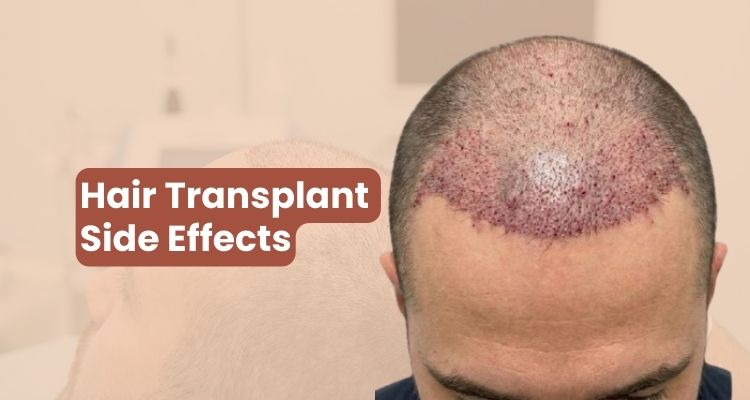
Thinking about getting a hair transplant? But worried about the possible side effects? You’re not alone.
Hair transplantation is one of the simplest yet smartest ways to get natural-looking hair. However, after the procedure, the patient may experience temporary swelling, mild itching, or discomfort. The good news is that serious complications are rare and long term side effects of hair transplants are uncommon when performed by experienced surgeons.
Having an idea of what could go wrong allows you to make a confident decision and reap the fullest benefits. Let us look at the side effects of hair transplants in detail.
Common Hair Transplant Side Effects
Hair transplant surgery is a popular and effective treatment for baldness. There is a common question for many: Is there any side effect of hair transplant? In short, the answer is yes, like any medical procedure. But most are mild and short-lived. Proper postoperative care would manage them. Being aware of these effects, patients can be more confident and better equipped to handle their recovery.
1. Swelling
The most common side effect seen after a hair transplant is swelling. It typically occurs in the forehead or around the eyes. In general, it appears two or three days after the procedure and then declines within a week. Keeping the head elevated and following the physician’s advice are among the measures that can greatly help control the swelling.
2. Itching
Itching is common and part of the healing process. It may take some time due to the formation of the skin. You should avoid scratching the area as this can cause skin damage. The physicians may also prescribe medicated lotions or saline sprays to prevent itching.
3. Pain and Discomfort
A little bit of pain or discomfort after the anesthesia has been cut off is quite common. This is usually taken care of by the prescribed painkillers and it gets better in a matter of days. If the pain continues or is too severe, the doctor should be informed.
4. Numbness
Donor or recipient sites may experience slight numbness due to minor nerve disruption during the transplantation. Nonetheless, sensitivity gradually returns within a few weeks to a few months, depending on the nerves’ natural healing.
5. Shock Loss
Shock loss is the medical term for the temporary loss of transplanted or native hair in the vicinity of the surgical site. This is a distressing experience but it is also a common occurrence that is very likely to be transitory, and hair regrowth is already underway in a few months as the hair follicles regain their strength.
6. Scarring
The amount of scar tissue formed varies with the method used. The FUT procedure may leave a linear scar, whereas the FUE method generally results in pinhead-sized scars that are less visible. Proper aftercare, combined with highly skilled surgical techniques goes a long way toward minimizing scarring.
7. Pimples
When new hair begins to grow, tiny bumps, or folliculitis, may develop. Such conditions are caused by blocked follicles that typically resolve without medical intervention. Hot compresses or medications may be recommended to facilitate healing.
8. Irregular Hair Growth
Initially, the hair may not appear normal and may even have bald patches. Such a situation is short-lived because hair comes in cycles. Eventually, growth becomes more similar, typically within 9 to 12 months.
9. Keloid Formation (Rare)
Keloids are scars characterized by excessive collagen deposition and thus protrude above the skin surface. This particular complication is rare and typically occurs in individuals with a genetic predisposition. Surgeons take this factor into account during the initial discussion.
10. Infection (rare but possible)
Surgeons consider the risk of infection as a factor and the very rare event occurs when a procedure is done in an absolutely sterile environment. Symptoms such as swelling or fever can be signals for prompt medical consultation. The already low risk of infection can be further reduced by the use of antibiotics, as prescribed, and the application of good hygiene practices.
Most of these side effects are common and they don’t happen to everyone. Choosing the right clinic for hair transplant in Mumbai can help you avoid them and get safe results.
Why Do Side Effects Happen After a Hair Transplant?
Wondering why does hair transplant have side effects? The consequences of a hair transplant are mainly because the entire process involves small surgical cuts and the relocation of hair roots from one part of the head to another.
The human body, as always, responds to such surgical treatments through natural healing mechanisms that may include inflammation, swelling, and tissue repair. Besides, there might be temporary changes in nerve sensation or blood circulation as the scalp undergoes adjustments.
The severity and duration of these side effects are influenced by several factors, including an individual’s healing capacity, skin sensitivity, the surgical technique employed, the total number of transplanted grafts, and how well postoperative care is followed. These effects are mild, indicating that the body is healing and regenerating around the transplanted hair follicles.
How Long Do Side Effects Last?
Side effects from hair transplants vary in duration across individuals.
- Swelling: 3–7 days
- Itching: 1–2 weeks
- Pain or discomfort: A few days
- Numbness: A few weeks to a few months
- Shock loss: Regrowth starts in 3–4 months
- Irregular growth: Normal by 9–12 months
How Can Aftercare Minimize Risks and Side Effects?
Hair transplant surgery is usually very safe and effective, but side effects might be experienced with the treatment. Swelling, redness, itching, mild pain, scab formation, and temporary shock loss are common side effects of hair transplant surgery. The mentioned effects are usually of short duration and they are a manifestation of the body’s healing process.
Aftercare is a significant factor in minimizing risks and ensuring faster recovery and optimal outcomes. Many common after hair transplant side effects can be avoided if post-procedure care is done properly.
Ignoring the post procedural care likely results in increased pain or even a poor outcome. Following your doctor’s instructions carefully will, to a significant extent, help in minimizing side effects and thus make the healing process easier.
Basic Hair Transplant Aftercare Suggestions
Taking good care of your scalp after a hair transplant is just as important as the procedure itself, as it helps healing and protects the newly transplanted hair.
- Do not touch, scratch or rub the area where hair has been transplanted.
- Scalp hygiene must be maintained and washing must be performed very gently in accordance with the physician’s instructions.
- For the first few days, keep your head elevated while lying down to reduce swelling.
- The recovery time should be free from sunlight, heat, and dust exposure.
- Quit smoking and drinking as these habits can notably delay the recovery process.
- Use only doctor-recommended hair care products to protect the transplanted grafts.
Conclusion
The side effects of hair transplants are usually mild and temporary. Moreover, they are part of your body’s natural healing process. With proper care, you can manage them easily and achieve the expected results.
Above all, choosing an experienced surgeon makes all the difference. Keeping this in mind, opt for the best plastic surgeon in Mumbai who can deliver a safe transplantation with minimal or no discomfort. If you’re thinking about a hair transplant, a quick consultation can help you understand what’s right for you.
About Author

Dr. Lalit Rajpal
Dr. Lalit Rajpal, MBBS, MS, MCh (Plastic Surgery), is a board-certified plastic, aesthetic, and hair transplant surgeon based in Mumbai with over 12 years of experience. Known for his precise and patient-centered approach, he combines advanced surgical techniques with an artistic touch to deliver natural and precise results. Dr. Lalit is a member of leading national and international plastic surgery associations and is committed to providing personalized, ethical, and high-quality care to every patient.

Dr. Lalit Rajpal is a leading Plastic, Cosmetic, and Hair Transplant Surgeon based in Mumbai. With over 10+ years of experience, he has successfully performed 300+ cosmetic surgeries and 420+ reconstructive surgeries.



Treatments
©2026 All Rights Reserved Dr. Lalit Rajpal Aesthetic Clinic Managed by Vbind