

Dr. Lalit Rajpal
Confidence Beauty Redefined
Transforming lives through artistry, expertise, and care with global standards of excellence.

Hair Transplant Recovery Time: How Soon Can You Return to Normal Life?
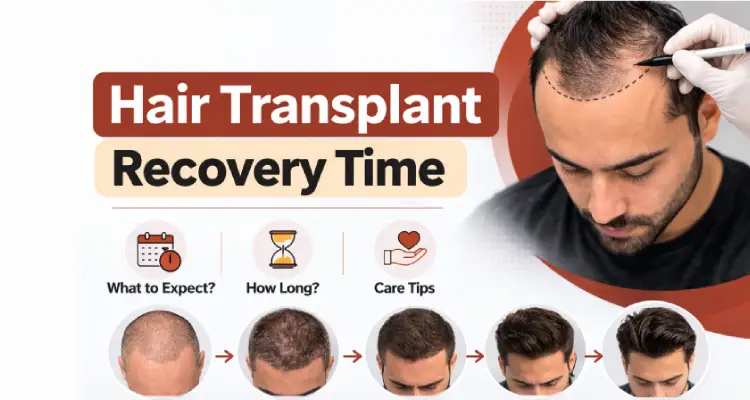
Mirror time after a hair transplant often brings one big question: how soon can normal life begin again? The procedure may finish in a day, yet recovery unfolds step by step. Hair transplant recovery time rarely follows a single moment of healing. Small changes appear first, patience follows next, and visible progress slowly starts moving.
Curiosity builds during the early days after treatment. Scalp healing, daily activities, and the return to routine all happen on their own timeline. Hair transplant recovery time holds several interesting phases, each revealing a little more progress.
Ready to know what really happens next and how quickly life returns to normal? Let’s explore the journey ahead.
Why Hair Transplant Recovery Happens in Stages
For people asking is hair transplant safe, this procedure is generally considered safe. Hair transplant recovery involves two processes that happen at the same time.
One process focuses on the healing of the scalp. Tiny graft sites created during the transplant begin closing and repairing within days. Skin tissues regenerate quickly, allowing most surface healing to occur in a short period.
Another process related to the natural growth cycle of hair follicles. The transplanted follicles need to adapt to their new location before they resume production of hair. The hair growth stages involve resting, shedding, and growing.
This process is also part of the hair transplant FUE recovery timeline, where hair growth may appear slow at first. There are moments of delay in noticeable hair development, but critical processes are taking place under the scalp.
Generally, there are a number of stages in a typical hair transplant procedure:
- Early Scalp Healing: The initial few weeks are dedicated to tissue repair and stabilisation
- Temporary Shedding and Resting Phase: The initial months can involve shedding of transplanted hair before regrowth starts
- Gradual Regrowth of Hair: New hair growth starts and increases over time during the remaining months of the year
Many people first look into factors such as the hair transplant cost in India when considering the procedure. After the surgery, the recovery period becomes important as the transplanted hair gradually begins to grow.
The hair transplant recovery stages help in being realistic about hair restoration and avoiding worrying about the slow process of healing.
Initial Recovery Period (First Few Days)
The first few days of hair transplant recovery time include minor healing of the scalp. Redness, swelling, and pain around the affected area are experienced during this stage.
Tiny scabs form around each implanted graft. These protective crusts help shield the graft sites as the scalp repairs itself. Avoid touching or scratching the area since disturbing these grafts may affect proper healing.
Doctors usually offer detailed aftercare instructions to aid in the recovery process. This helps in the protection of the transplanted follicles and promotes healing.
Common early recovery after hair transplant instructions include avoiding strenuous activities, sleeping with your head elevated, and keeping your scalp clean and dry.
Normally, within the first week, a follow-up is scheduled. The doctor will check the status of the scalp and also clarify any doubts regarding the healing process.
Week One to Week Two
Clear signs of healing usually manifest at the end of the first week. For instance, swelling and redness gradually disappear. In addition, most of the scabs fall off on their own.
Small grafts usually become noticeable after the scabs fall off. Itching or tightness may be felt during this period. It is usually a sign of healing.
A noticeable change during this time involves temporary hair shedding. Some transplanted hairs may fall out shortly after the transplant. Doctors call this stage “shock loss,” which forms a normal part of the hair growth cycle.
Normal daily activities usually become easier during this stage. Jobs involving physical strain may require waiting around 10-14 days until the scalp feels comfortable. Donor area recovery after hair transplant also continues during this time, and the back of the scalp usually feels much better as healing progresses.
Weeks Two to Four
This shedding process is more obvious during the second to fourth week after the transplant. Many hairs are lost during this time, and it may look alarming.
This is normal during the shedding process. The follicles are still alive even after the loss of the hair. A new hair grows from these follicles after the completion of the resting process.
Scalp protection remains important during this stage. However, it is highly recommended to know the best age for hair transplant before undergoing the procedure, as age and the stage of hair loss can influence the long-term results.
Patience becomes essential during this stage since visible hair growth has not yet begun.
One to Three Months
Hair follicles usually enter a resting phase after transplantation. During this hair transplant recovery period, the scalp may look similar to its appearance before the transplant.
In the second or third month, there is often the start of new hair growth. New hair growth is often thin, soft, and light in colour. However, it gradually becomes stronger.
Patients may feel encouraged once these initial hair growths begin to appear. Though this may look dishevelled or unkempt, it does indicate that these hair follicles have successfully adapted and restarted their hair growth process.
Doctors may even recommend some hair care regimens during this hair transplant surgery recovery stage.
Three to Six Months
Hair density becomes more noticeable during the third to sixth month after the transplant. New strands continue growing and slowly blend with the surrounding hair.
Hair thickness improves gradually during this stage. Many patients begin styling their hair again as coverage increases. Earlier redness or minor colour changes on the scalp often disappear by this time, and hair transplant donor area recovery also becomes much better, with the donor area healing well and blending naturally with the surrounding hair.
The hair texture and strength will continue to improve over the coming months. Hair grooming, styles, or haircuts can be done to accentuate the new growth and ensure balance.
Six to Twelve Months
The last stage of the hair transplant in Mumbai process is often seen between six and twelve months after surgery.
Hair tends to thicken, lengthen, and strengthen during this period. Hair growth patterns tend to establish themselves over the scalp at this stage, making it easier for transplanted hair to blend in with existing hair.
Most patients observe the complete outcome during this time. The treated area appears to be more voluminous, and the new hair is normal during washing, cutting, and styling.
Doctors may advise patients to visit at regular periods during this stage to monitor the results and future hair care methods, including consuming the best foods for hair growth.
Conclusion
Hair transplant recovery time is unique to every individual. However, it is observed that individuals can resume their regular lives sooner than they anticipate. The initial healing of the scalp takes place within a few days. However, the growth of hair is a slow process, which is completed within a few months.
This makes the entire process easier and allows people not to worry about their hair. They can look natural and fuller only after the completion of the process. To experience safe and effective results, consult an experienced specialist.
Dr. Lalit Rajpal, a well-known hair transplant and plastic surgeon in Mumbai provides expert guidance and advanced hair restoration treatments. Schedule an appointment today and begin your hair transplant journey!
About Author

Dr. Lalit Rajpal
Dr. Lalit Rajpal, MBBS, MS, MCh (Plastic Surgery), is a board-certified plastic, aesthetic, and hair transplant surgeon based in Mumbai with over 12 years of experience. Known for his precise and patient-centered approach, he combines advanced surgical techniques with an artistic touch to deliver natural and precise results. Dr. Lalit is a member of leading national and international plastic surgery associations and is committed to providing personalized, ethical, and high-quality care to every patient.
Latest Post
- Understanding The Difference Between Gynecomastia And Chest Fat
- Rhinoplasty Cost In India: A Complete Breakdown
- Hair Transplant Cost in India: Find Out What You’ll Really Pay!
- Hair Transplant Side Effects
- How to Reduce Breast Size Naturally and With Surgery
- Is Hair Transplant Safe? Complete Safety Guide
- Right Age for Hair Transplant: Minimum Requirement, Risks & Benefits

Dr. Lalit Rajpal is a leading Plastic, Cosmetic, and Hair Transplant Surgeon based in Mumbai. With over 10+ years of experience, he has successfully performed 300+ cosmetic surgeries and 420+ reconstructive surgeries.



Treatments
©2026 All Rights Reserved Dr. Lalit Rajpal Aesthetic Clinic Managed by Vbind